
 Survodutide (10mg)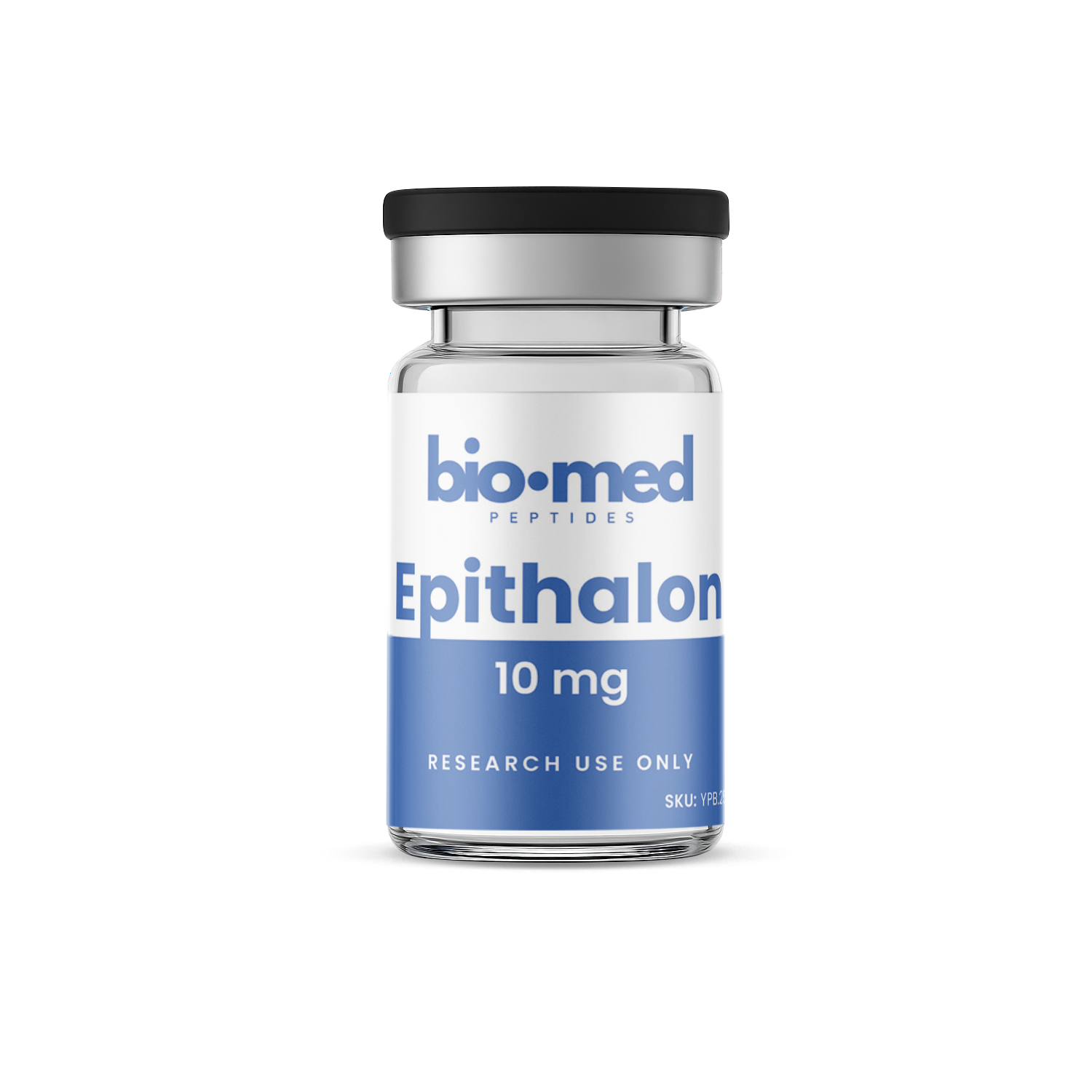
Epitalon
Price range: $40.00 through $85.00
Description
A single-component research material supplied for controlled research environments. Suitable for studies involving peptide characterization and method development in model systems.
Composition
• Epitalon
• Appearance: Lyophilized powder in a sealed research vial
Research Focus (non-clinical)
• Peptide identity and purity assessment via HPLC/LC-MS
• Assay development and calibration for quantitative analysis
• Chromatographic method optimization for impurity profiling and peak resolution
• Stability characterization of a lyophilized peptide under laboratory storage conditions
For qualified research professionals and institutional laboratories. Not for human use.
Documentation & Quality Assurance
Each lot is sourced through our verified global supply chain with emphasis on traceability and quality control. We work diligently to obtain and maintain third-party analytical reports (HPLC/LC-MS) and Certificates of Analysis for each batch, as part of our ongoing quality process. These documents are reviewed internally and displayed as they become available. Independent third-party testing is also performed on select lots to confirm identity, purity, and alignment with our internal specifications.
Important Notice
This product is intended for laboratory research use only. It is not intended for human or veterinary use, and must not be used for diagnostic, therapeutic, or clinical purposes.
This material is not a drug, medical device, or dietary supplement, and has not been evaluated by the U.S. Food and Drug Administration.
Quality & Manufacturing
All materials are sourced from carefully vetted domestic and international manufacturing partners who follow quality systems consistent with ISO and cGMP principles. Each supplier is reviewed for reliability, documentation integrity, and transparency in testing.
We require a verified purity of 99% or higher and perform independent third-party spot testing to confirm that select lots meet our internal standards for identity, purity, and composition. Where available, endotoxin testing results are included on Certificates of Analysis to verify laboratory purity; their inclusion is for research quality assessment only and does not imply suitability for human or veterinary use.
All research materials are sealed for integrity and packaged for stability during storage and transport from manufacturing through final delivery.
Additional information
| Weight | 0.2 lbs |
|---|---|
| Dosage | 10mg, 50mg |
Storage Instructions
All our research peptides are manufactured using a lyophilization (freeze-drying) process. This method is designed to maintain product integrity and allows vials to remain stable during shipping for approximately 3–4 months.
Once a vial is reconstituted with bacteriostatic water, it should be stored in the refrigerator to help maintain stability. Under these conditions, reconstituted material is generally considered stable for up to 30 days.
Lyophilization is a dehydration technique in which compounds are frozen and then exposed to low pressure. This causes the water in the vial to sublimate directly from solid to gas, leaving behind a stable, crystalline white structure. This powder can be kept at room temperature until reconstitution.
Upon receipt, products should be stored away from heat and light. For short-term use, refrigeration at approximately 4°C (39°F) is suitable. For long-term storage (several months to years), vials may be placed in a freezer at approximately -80°C (-112°F). Freezing is the preferred method for preserving product stability over extended periods.
⚠️ Important Notice: These products are intended for research use only. Not for human consumption.
Certificate of Analysis

Research Use Only
These studies reference research-grade peptides for laboratory and scientific investigation only. Not for human consumption. Not intended to diagnose, treat, cure, or prevent any disease.
Published Scientific Research
Peer-reviewed laboratory research investigating research peptides from leading scientific databases
Overview of Epitalon-Highly Bioactive Pineal Tetrapeptide with Promising Properties.
The results of these studies indicate significant geroprotective and neuroendocrine effects of Epitalone, resulting from its antioxidant, neuro-protective, and antimutagenic effects, originating from both specific and nonspecific mechanisms. Although it has been demonstrated that Epitalon exerts, among other effects, a direct influence on melatonin synthesis, alters the mRNA levels of interleukin-2, modulates the mitogenic activity of murine thymocytes, and enhances the activity of various enzymes, including AChE, BuChE, and telomerase, it remains uncertain whether these are the sole mechanisms of action of this compound.
View Full StudyEpitalon-activated telomerase enhance bovine oocyte maturation rate and post-thawed embryo development.
The results showed that healthy cumulus-oocyte complexes have the nuclear localization of the telomerase while the degraded cumulus-oocyte complex had reduced telomerase levels and that telomerase was localized in the cytoplasm. Moreover, we performed qPCR, reactive oxygen species, and JC-1 (ΔΨm) assays to evaluate the effect of Epitalon on the health of in vitro mature oocytes, cumulus cells, and post-thawed blastocysts, and the result showed that Epitalon highly enhances the quality and health of the oocyte, cumulus cell, and post-thawed blastocyst.
View Full StudyEpitalon protects against post-ovulatory aging-related damage of mouse oocytes .
The developmental potential of oocytes decreases with time after ovulation or . Epitalon is a synthetic short peptide made of four amino acids (alanine, glutamic acid, aspartic acid, and glycine), based on a natural peptide called epithalamion extracted from the pineal gland. It is a potent antioxidant, comparable to melatonin, that may confer longevity benefits. The current study aims to test the protective effects of Epitalon on the quality of post-ovulatory aging oocytes. Epitalon at 0.1mM w
View Full StudyPeptides Regulating Proliferative Activity and Inflammatory Pathways in the Monocyte/Macrophage THP-1 Cell Line.
The low TNF release by monocytes is linked to a documented mechanism of TNF tolerance, promoting attenuation of inflammatory action. Lastly, by incubating the THP1 cells, treated with the peptides, on a layer of activated endothelial cells (HUVECs activated by LPS), we observed a reduction in cell adhesion, a typical pro-inflammatory mechanism.
View Full StudyAEDG Peptide (Epitalon) Stimulates Gene Expression and Protein Synthesis during Neurogenesis: Possible Epigenetic Mechanism.
The aim of the study was to investigate the influence of AEDG peptide on neurogenic differentiation gene expression and protein synthesis in human gingival mesenchymal stem cells, and to suggest the basis for the epigenetic mechanism of this process. Molecular modelling method showed, that AEDG peptide preferably binds with H1/6 and H1/3 histones in His-Pro-Ser-Tyr-Met-Ala-His-Pro-Ala-Arg-Lys and Tyr-Arg-Lys-Thr-Gln sites, which interact with DNA.
View Full StudyPeptide Regulation of Skin Fibroblast Functions during Their Aging In Vitro.
All studied peptides inhibited MMP-9 synthesis that increases during aging of skin fibroblasts and enhanced the expression of Ki-67 and CD98hc that are less intensively synthesized during cell aging.
View Full StudyRelated products
-
Wolverine Blend – BPC-157 (5mg) / TB500 (5mg) (Globally Sourced)
Price range: $95.00 through $105.00Select options This product has multiple variants. The options may be chosen on the product page -
-
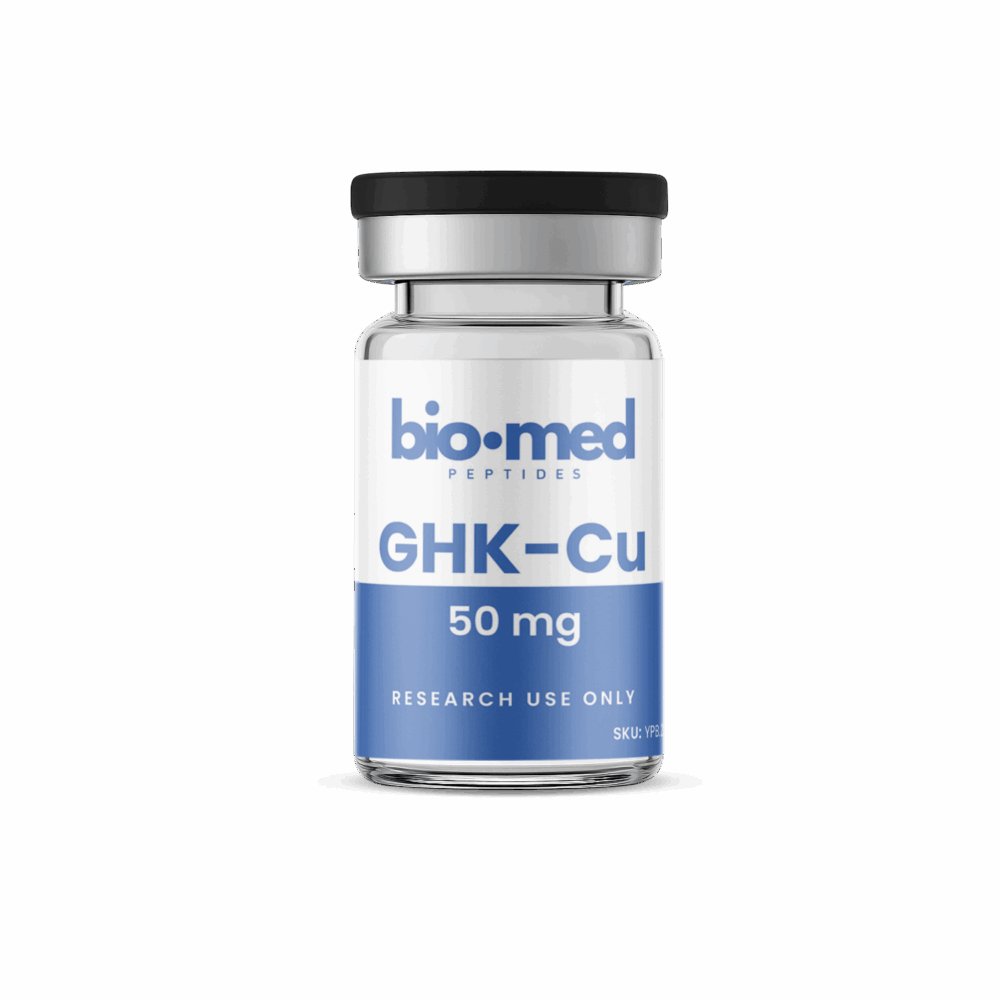
GHK-Cu (Globally Sourced)
Price range: $47.00 through $67.00Select options This product has multiple variants. The options may be chosen on the product page